
Home › Blog › Egg coffee class in Hanoi
Egg Coffee Class in Vietnam for Solo Travelers
By the Egg Coffee Class Hanoi team · 2026-11-18
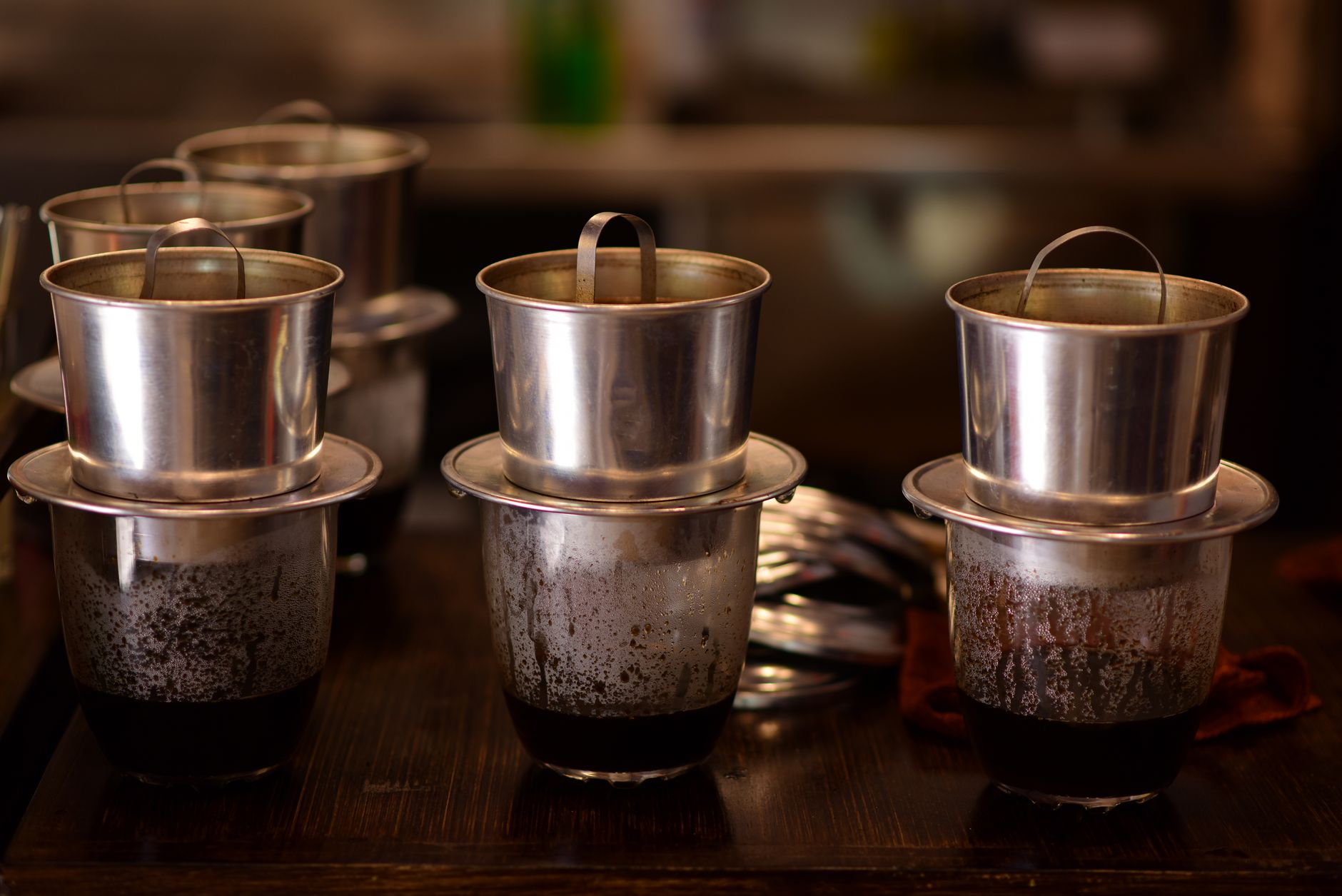
Egg Coffee Class Hanoi by Cáo Experiences is a hands-on session where solo travelers learn to whisk and brew cà phê trứng—sweetened egg yolk folded into dark robusta coffee—using a traditional phin metal filter. We confirm details when you book, including timing and group setup. The class teaches the exact hand motion that aerates egg into a silky custard layer, the history of this 1950s Hanoi invention, and how to replicate it at home with affordable gear. Solo travelers love this because it's intimate, fits around your schedule, requires no prior coffee knowledge, and you leave with a skill you'll actually use. The technique works best when your egg yolk is room temperature and your coffee is precisely 60–70°C; most mistakes come from whisking too fast or serving coffee that's too hot. We focus on the hands-on moment over talking, so you're making coffee, not watching a lecture. Ask about dates on WhatsApp
✦ Planning this in Vietnam? Book on WhatsApp or see our Egg coffee class in Hanoi packages — reply within minutes.
Why Solo Travelers Choose Egg Coffee Classes
Solo travelers picking activities often want something intimate without the loneliness of a large tour group. We run private and group bookings, so you can join other solo travelers or book a private session. The egg coffee method is tactile—your hands are in the whisking bowl the moment you arrive—so there's no awkward sitting-and-listening phase. You make a coffee, taste it immediately, and have a story and a skill that lasts longer than a typical sightseeing stop. It's also genuinely difficult to find taught well outside Hanoi's Old Quarter, so learning here is an advantage over trying to DIY it in your hotel room later.

How the Egg Coffee Technique Actually Works
Egg coffee is not simply egg stirred into coffee. We whisk one room-temperature egg yolk with sweetened condensed milk until it reaches a pale, mousse-like texture—about 3–4 minutes of continuous hand-whisking. The air bubbles trapped in this custard are what makes it float on top of hot coffee without breaking. You then pour your brewed coffee slowly under this layer, creating the visual and textural contrast. The common mistake is over-heating the egg (it scrambles) or whisking on cold egg (it stays grainy). We show you how to test egg temperature with a fingertip, how fast to whisk for maximum volume, and when to stop—usually when it's the color of wet sand and holds a peak. The phin filter brews while you whisk, so timing is part of the technique; rushing the brew results in weak, bitter coffee that won't support the egg layer's flavor.
Hot vs. Iced: Which Method Should You Learn?
| Coffee Style | Base Brew Temp | Egg Yolk Layer | Best for | Why It Matters |
|---|---|---|---|---|
| Hot egg coffee | 60–70°C | Warm, silky custard | Mornings, cool weather | Heat sets foam texture perfectly |
| Iced egg coffee | Brewed hot, then chilled | Cold-whisked yolk + condensed milk | Afternoons, Hanoi summer | Requires double-whisking technique |
| Butter coffee variant | 70°C | Yolk + butter + salt | Niche preference | Not standard; we teach on request |
Both are worth learning because Hanoi's climate and your itinerary shift which you'll actually make at home. Hot egg coffee is the original 1950s style and teaches the fundamental whisking motion; iced egg coffee is what locals order at street stalls in June when it's 32°C. We cover both so you pick the one that matches your travel season and home kitchen setup. Iced requires chilling the phin brew first, which adds 15 minutes if you don't have ice—a detail many classes skip.
What to Pack and How to Recreate It at Home
After our class, you'll know that egg coffee requires just five items: a phin filter (metal or plastic, ~our current quote–8 from street vendors near Hoan Kiem Lake), medium-dark robusta coffee grounds (buy local at family-run coffee shops, not tourist areas), one fresh egg, sweetened condensed milk, and hot water. We recommend you buy your phin and coffee beans in Hanoi before leaving—they're affordable, fit in a carry-on, and are your insurance policy if you want to make it again in a week's time. The technique is the tricky part, not the equipment; a ceramic mug works fine. At home, give yourself 15 minutes total: 5 minutes to brew the phin, 4 minutes to whisk the egg yolk, 1 minute to assemble. The egg must be fresh (buy from a Vietnamese grocery store; supermarket eggs are sometimes older). One solo traveler told us she made it successfully six times in her first month back home, which is realistic once you've done it here with hands-on correction.
How an Egg Coffee Class Fits Your Hanoi Solo Itinerary
Most solo travelers have 2–4 days in Hanoi. A morning class leaves your afternoon free for the Old Quarter, Hoan Kiem Lake, or Temple of Literature. We can discuss timing when you book. The class is walkable from most hostels and mid-range hotels in the Old Quarter; we're in a working neighborhood, not a resort zone. You'll meet other solo travelers or locals, share the experience, and have a coffee break built in—so it counts as a meal moment too. Unlike bus tours to surrounding villages, you're based centrally and not eating travel time. Many solo travelers book the class mid-week (Tuesday–Thursday) to avoid weekend crowds, which also means smaller groups and more personalized feedback on your whisking technique.
Dietary Questions: Raw Egg, Dairy, and Alternatives
Is the egg raw? We use a room-temperature raw egg yolk, not cooked. We source from vendors we trust and briefly discuss egg safety. If you're uncomfortable with raw egg, ask us when you book—some travelers bring their own pasteurized eggs, and we adapt the technique; the result is slightly less stable foam but still delicious.
What if you're vegan or lactose-intolerant? Egg coffee is traditionally built on egg yolk + condensed milk. We can demo the class with the standard method so you see how it's made in Hanoi, then teach you a coconut milk or oat-milk version on request. It won't be authentic cà phê trứng, but you'll learn the whisking motion and phin brewing so you can make a vegan coffee with the same ritual.
Are there nut allergies to worry about? No nuts in egg coffee itself. Our space is a home kitchen; we confirm allergen details when you book to keep you safe.
What to Check Before You Book
- Confirm your availability. We work around your itinerary; ask us for dates on WhatsApp and we'll suggest times that fit.
- Bring an open palate. Hanoi coffee is bitter and strong compared to filtered coffee elsewhere. We'll explain the robusta bean flavor profile so you understand what you're tasting.
- Wear clothes you don't mind getting sticky. Whisking egg and condensed milk can splatter. We provide an apron, but old clothes are fine.
- Check your egg tolerance. If raw egg concerns you (or dairy, or caffeine), let us know in advance so we can prepare.
- Don't skip the phin explanation. The filter's design is part of Hanoi's coffee identity; understanding how it brews slowly is half the class.
Solo Traveler Testimonial Framework
We don't invent reviews. What we know from real guests is that solo travelers most often ask: Will I be alone? We run both private and group classes. Can I actually make this at home? Yes—we send you home with the technique, a shopping list, and encouragement to buy local supplies in Hanoi. Is this a tourist trap? No—you're in a working kitchen in the Old Quarter, not a themed café. Will I taste coffee I actually like? Hanoi egg coffee is an acquired taste; some solo travelers love it instantly, others need a second cup. We're honest about that.
Why Hanoi's Egg Coffee Matters to Solo Travelers
Solo travelers often seek experiences that feel local and unrushed. Hanoi's egg coffee is a real part of daily life here—thousands of locals drink it every morning at street stalls and small shops. Learning the technique connects you to that habit, not to a performance for tourists. When you return home and make it, you're not replicating a souvenir; you're practicing a skill with history. The 1950s story—a street vendor in the Old Quarter invented it because fresh milk was scarce, so they used sweetened condensed milk and egg yolk to create a custard topping—is part of why it matters. We share that history so you're not just learning mechanics; you're learning why this coffee exists and what problem it solved.
For first-hand details on Vietnamese coffee class techniques beyond egg coffee, we also offer phin brewing for other styles. And if you're curious about how our experience fits into the broader Hanoi experiences, we're based in the Old Quarter where morning coffee is part of the rhythm.
More Hanoi Coffee Guides
For step-by-step brewing and history, see our full egg coffee class guide. To explore other Hanoi coffee traditions and more Hanoi experiences, browse our all guides section.
Request a class

FAQ
Is egg coffee safe if I'm pregnant or have a compromised immune system?
Raw egg carries a small listeria risk. If you're pregnant, immunocompromised, or uncomfortable, we can teach the technique with pasteurized eggs you bring, or you can observe and learn the method without consuming it. Confirm when you book.
How much does the class cost?
Ask us for a quote on WhatsApp. Pricing depends on group size and any dietary adjustments we confirm when you book.
Can I book a solo private class, or will I be in a group?
We offer both private and group bookings. When you book, we discuss what fits your preference. Most solo travelers enjoy the group option for meeting other travelers, but private classes are available.
What if I don't like coffee?
Hanoi coffee is strong and bitter—a real taste shift if you usually drink filtered coffee. We'll explain the robusta bean flavor so you understand it. Some travelers love it instantly; others prefer trying it once and sticking to tea at home. That's honest, and it's okay.
Can I buy a phin filter and coffee beans at the class to take home?
We confirm what's available when you book. We recommend you source your phin and beans locally at street vendors near Hoan Kiem Lake or family-run coffee shops in the Old Quarter afterward—you'll save money and support local businesses.
How long does the class take?
We confirm details including duration and schedule when you book on WhatsApp.
Book a class
Send your dates, how many people and anything we should know. We reply on WhatsApp in English with availability and a quote.
FAQ
Is egg coffee safe if I'm pregnant or have a compromised immune system?
Raw egg carries a small listeria risk. If you're pregnant, immunocompromised, or uncomfortable, we can teach the technique with pasteurized eggs you bring, or you can observe and learn the method without consuming it. Confirm when you book.
How much does the class cost?
Ask us for a quote on WhatsApp. Pricing depends on group size and any dietary adjustments we confirm when you book.
Can I book a solo private class, or will I be in a group?
We offer both private and group bookings. When you book, we discuss what fits your preference. Most solo travelers enjoy the group option for meeting other travelers, but private classes are available.
What if I don't like coffee?
Hanoi coffee is strong and bitter—a real taste shift if you usually drink filtered coffee. We'll explain the robusta bean flavor so you understand it. Some travelers love it instantly; others prefer trying it once and sticking to tea at home. That's honest, and it's okay.
Can I buy a phin filter and coffee beans at the class to take home?
We confirm what's available when you book. We recommend you source your phin and beans locally at street vendors near Hoan Kiem Lake or family-run coffee shops in the Old Quarter afterward—you'll save money and support local businesses.
How long does the class take?
We confirm details including duration and schedule when you book on WhatsApp.
More like this

Egg coffee class in Hanoi
Egg Coffee Workshop in Hanoi: Choose Your Class Style
An egg coffee workshop teaches you to whisk and layer Vietnamese egg coffee (cà phê trứng) using a traditional phin filter, plus how to brew iced and hot styles. Workshops run in Hanoi only; we confirm dates and group sizes when you book on WhatsApp.
Egg coffee class in Hanoi
Best Egg Coffee Workshop in Hanoi: Our Class vs. DIY
Egg coffee (cà phê trứng) is Hanoi's signature drink, but technique matters. We run the only dedicated hands-on class at 11 Lien Tri, Hoan Kiem—here's how we compare to learning alone, and what to check before booking.

Egg coffee class in Hanoi
Egg Coffee Workshop Hanoi: Choose the Right Class for You
An egg coffee workshop in Hanoi teaches you to whisk and brew cà phê trứng—the creamy, sweet coffee that defined Old Quarter mornings for decades. We run classes at 11 Lien Tri, Hoan Kiem, where you'll master the phin filter and take home the technique.