
Home › Blog › Egg coffee class in Hanoi
Egg Coffee Workshop Hanoi: Choose the Right Class for You
By the Egg Coffee Class Hanoi team · 2026-11-18
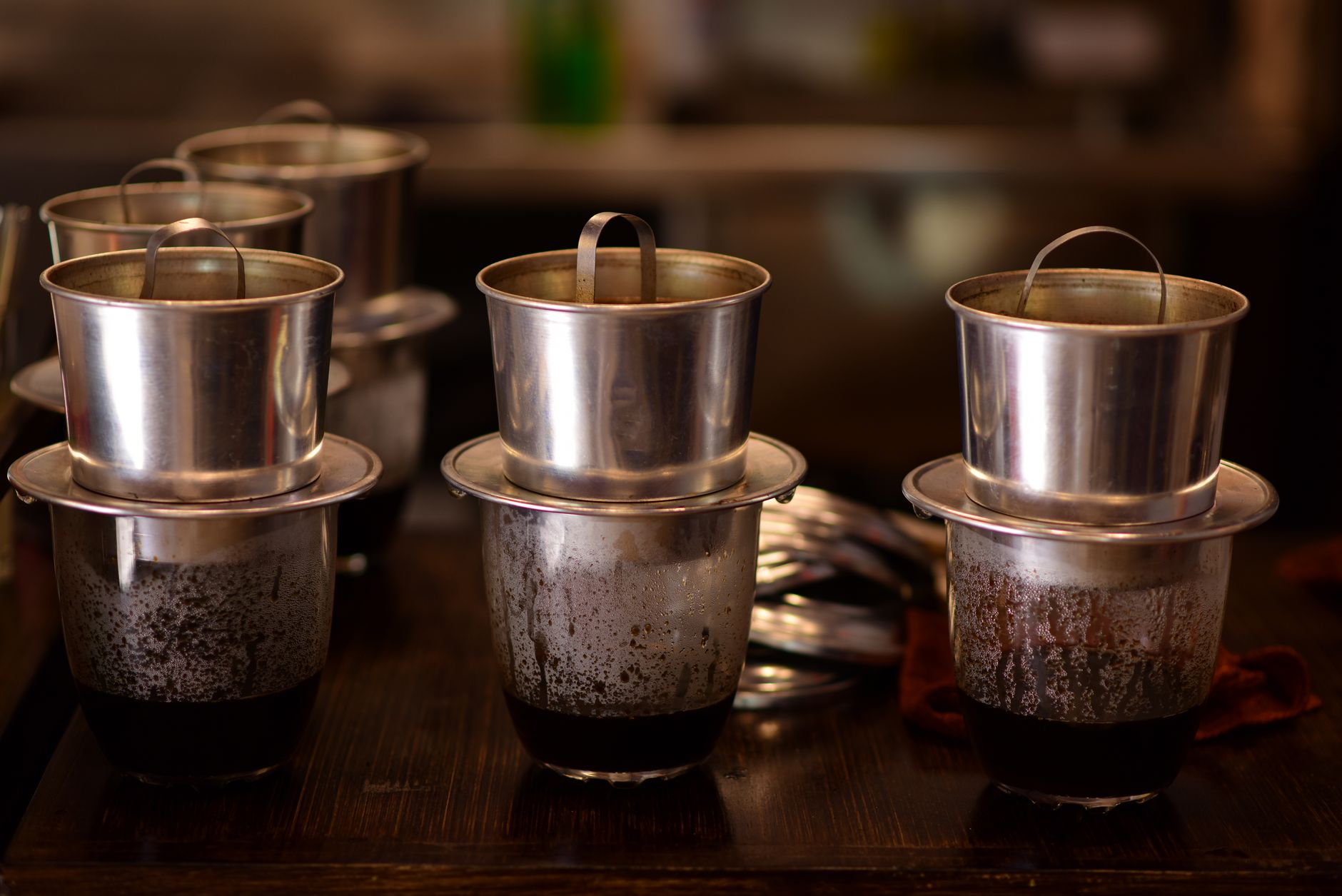
You'll whisk sweetened egg yolks into a silky topping, brew dark Vietnamese coffee through a metal dripper, and taste both hot and iced versions. We confirm dates, group size, and what to bring when you book on WhatsApp. The workshop suits solo travelers, couples, and small groups who want an authentic Hanoi skill they can repeat at home. No prior coffee experience is needed; we provide all ingredients and equipment. This is not a café visit—it's a working class where your hands do the cooking and brewing. Ask about dates on WhatsApp
✦ Planning this in Vietnam? Book on WhatsApp or see our Egg coffee class in Hanoi packages — reply within minutes.
What makes an egg coffee workshop different from a café tour?
A café tour shows you where locals drink; a workshop teaches you to brew. In a tour, you sit and sip curated drinks at multiple locations. In our workshop, you stand at a table, measure Vietnamese coffee beans into the phin, pour hot water in stages, and whisk raw egg yolk with sweetened condensed milk into foam. By the end, you've made two cups (hot and iced) and understand why egg coffee works chemically—the lecithin in yolk emulsifies with coffee oil, creating richness no milk alone achieves. A workshop is for learners who want to replicate the drink at home; a tour is for observers. Choose the workshop if you plan to make egg coffee for friends or family after Hanoi.

Who should book an egg coffee workshop?
An egg coffee workshop suits travelers who value hands-on learning, foodies curious about regional technique, and anyone planning to stay in Hanoi 2+ days. It's ideal if you've tried egg coffee at a café and want to know how it's made and why it tastes that way. Parents with teenage children often book together. Solo travelers find it a low-pressure way to meet other guests and practice English in a small group. The workshop is NOT suitable for anyone who cannot eat raw egg (we cannot modify this ingredient—see dietary concerns below). Travelers on a 24-hour Hanoi stopover should skip it and focus on seeing more Hanoi experiences instead. Those with 48+ hours should fit this in before or after a guided tour or street-food walk.
How does the whisking technique prevent raw-egg worry?
The whisking technique mixes raw egg yolk with sweetened condensed milk and a small amount of hot (not boiling) coffee, which raises the temperature and partially sets the outer layer—it doesn't cook the egg fully, but it's the standard method used in Hanoi for over 70 years. We teach you the exact motion: use a small whisk or fork to beat the yolk and sweetened milk for 2–3 minutes until it thickens and lifts in peaks, then fold in a tablespoon of hot coffee and whisk again. This creates an emulsion, not a cooked custard. The result sits atop the brewed coffee (which is hot), so the final drink is warm throughout. If raw egg concerns you medically or ethically, this workshop is not the right choice—we cannot substitute pasteurized egg or dairy alternatives and maintain the authentic texture and flavor.
What's the difference between hot and iced egg coffee?
Hot egg coffee is served in a small cup with the foam topping resting on hot brewed coffee underneath—you stir it in as you drink, creating a rich, warm layer. Iced egg coffee uses the same foam atop cold brewed coffee, creating a contrast: sweet, fluffy foam against bitter, chilled coffee. Hot is creamier and slower to drink; iced is more refreshing on a warm Hanoi afternoon. We teach both methods in the same class so you can choose based on season or mood when you brew at home. Hot takes about 8 minutes from start to sip; iced takes 5 minutes if you pre-brew the coffee. Neither method requires special equipment beyond a phin and a whisk—both are what made egg coffee a street staple in Hoan Kiem and Ba Dinh districts since the 1950s.
How to repeat egg coffee at home after the workshop?
After the workshop, you need Vietnamese dark-roast coffee (Robusta beans, coarsely ground), sweetened condensed milk, an egg, and a phin filter. At home, grind beans just before brewing (or buy pre-ground from a Vietnamese grocer). Place the phin on your cup, add grounds, pour a small amount of hot water (90°C / 194°F, let it drip 2 minutes to bloom), then pour the rest slowly until the cup is half full. While it drips, whisk one room-temperature egg yolk with 2 tablespoons sweetened condensed milk for 2–3 minutes, then whisk in 1 tablespoon of the hot coffee. Pour the foam onto the finished cup and drink immediately (or chill the coffee and pour the room-temperature foam atop for iced). The phin is reusable forever—we confirm exact measurements and equipment tips when you book. Common mistakes: using boiling water (burns the coffee), whisking too briefly (foam won't hold), or buying instant coffee (won't taste authentic). Practice once; the second time feels natural.

What does a typical egg coffee workshop booking process look like?
You message us on WhatsApp with your preferred dates and group size, and we confirm availability, exact time, and what to bring (usually just yourself—we provide aprons and ingredients). We confirm the location: 11 Lien Tri, Hoan Kiem, Hanoi. Payment and final details are arranged via WhatsApp; we'll confirm whether you book as a private group or join an existing class. When you arrive, we provide an overview of egg coffee's history in Hanoi (it emerged in the 1950s when dairy was scarce and eggs were affordable), then move to the hands-on section. You'll brew at least two cups, taste them, and ask questions. We send no printed materials—the experience is verbal and tactile, so you internalize the technique through doing. We confirm all specifics when you book; this ensures we match your schedule and language level to the right session.
Comparing workshop options: private vs. group booking
| Booking Type | Who it's for | Why it works | What to expect |
|---|---|---|---|
| Group class | Couples, solo travelers, small friend groups | Meet other travelers; lower cost per person; shared learning energy | 4–8 people (we confirm size on booking); fixed time slot; communal brewing station; Q&A with mixed experience levels |
| Private booking | Families, corporate groups, friends wanting exclusivity | Tailored pace; custom timing (morning, afternoon); all focus on your group; easier for young kids or non-English speakers | Your own brewing station; 1–10 people (we confirm size on booking); flexible questions; can extend or shorten with notice |
Private and group bookings are both available year-round. We confirm which fits your group when you reserve on WhatsApp. Private classes suit travelers staying in a villa or boutique hotel who want flexibility; group classes suit backpackers and independent travelers seeking community. Neither costs extra for materials or equipment—we provide everything.
Can you do an egg coffee workshop if you're vegetarian, vegan, or allergic to eggs?
Vegetarian & dairy-free diets: Egg coffee is not vegetarian (it contains raw egg) or vegan (it uses sweetened condensed milk, which is dairy). We cannot modify the recipe without losing the authentic taste and texture that makes the workshop valuable. If you're looking for a coffee class that explores Vietnamese coffee culture beyond egg coffee, our Vietnamese coffee class covers phin brewing, single-origin beans, and regional styles without egg or dairy focus. That's a better fit for your dietary needs.
Egg allergy or ethical concern: If you have an egg allergy, medically or ethically cannot consume raw egg, or are pregnant and avoiding raw egg, this workshop is not safe for you. We cannot provide pasteurized egg, dairy alternatives, or dairy-free condensed milk substitutes and maintain the authentic technique. The egg is the core ingredient—removing it means teaching a different drink entirely, which we don't offer. Please explore other Hanoi experiences on our site, such as street-food walks or craft workshops, instead.
What to check before you book an egg coffee workshop
- Raw egg concern? This workshop uses raw egg yolk. If you have an allergy, are pregnant, or have ethical concerns, it's not the right class.
- Language comfort? We teach in English. If you need another language, mention it on WhatsApp when you inquire.
- Schedule fit? We confirm exact times when you book. Hanoi's traffic is heavy 7–9 a.m. and 5–7 p.m.; morning or early afternoon slots are usually clearer.
- Group size needed? We handle solo travelers, couples, families, and corporate groups. Mention your party size when you message.
- Equipment for home? A phin filter costs under our current quote–our current quote at Vietnamese grocers outside Hanoi or online. Vietnamese dark-roast coffee is available online. We confirm sourcing tips when you book.
- Hanoi days available? We're based in Hoan Kiem and don't offer egg coffee workshops in other provinces (Da Nang, Hoi An, Nha Trang, Sapa, etc.). If you're doing a multi-city trip, book the class before or after your Hanoi leg.
Request a class

FAQ
Is the egg in egg coffee raw, and is it safe?
Yes, it's raw—the yolk is whisked with sweetened condensed milk and a touch of hot coffee, raising temperature slightly but not fully cooking it. This is the authentic Hanoi method used since the 1950s. If you're pregnant, immunocompromised, or allergic, skip this workshop.
Can I make egg coffee at home without a phin filter?
A phin is the traditional tool, but you can use a fine mesh strainer or pour-over cone. The brew won't taste identical (phin's slow drip concentrates flavor), but the egg foam technique remains the same. We teach the phin method in the workshop.
How long does the workshop take, and what exactly happens?
We confirm length and schedule when you book on WhatsApp. You'll learn egg coffee history, practice whisking, brew hot and iced cups, taste them, and ask questions. All materials are provided—bring only yourself.
Can I book a private workshop for my family or company team?
Yes. Private and group bookings are both available. Message us on WhatsApp with your group size, preferred dates, and any special requests, and we'll confirm availability and details.
What if I want to explore other Vietnamese coffee styles, not just egg coffee?
Our Vietnamese coffee class covers phin brewing, regional beans, and iced-coffee techniques beyond egg coffee. It's a broader exploration and suits travelers interested in coffee culture more widely.
Is there a workshop in Ho Chi Minh City, Da Nang, or other cities?
Our egg coffee class runs only in Hanoi at 11 Lien Tri, Hoan Kiem. If you're visiting other provinces, we recommend trying egg coffee at local cafés (ask your hotel staff for recommendations). Book a class with us in Hanoi before or after your trip.
Book a class
Send your dates, how many people and anything we should know. We reply on WhatsApp in English with availability and a quote.
FAQ
Is the egg in egg coffee raw, and is it safe?
Yes, it's raw—the yolk is whisked with sweetened condensed milk and a touch of hot coffee, raising temperature slightly but not fully cooking it. This is the authentic Hanoi method used since the 1950s. If you're pregnant, immunocompromised, or allergic, skip this workshop.
Can I make egg coffee at home without a phin filter?
A phin is the traditional tool, but you can use a fine mesh strainer or pour-over cone. The brew won't taste identical (phin's slow drip concentrates flavor), but the egg foam technique remains the same. We teach the phin method in the workshop.
How long does the workshop take, and what exactly happens?
We confirm length and schedule when you book on WhatsApp. You'll learn egg coffee history, practice whisking, brew hot and iced cups, taste them, and ask questions. All materials are provided—bring only yourself.
Can I book a private workshop for my family or company team?
Yes. [Private and group bookings](/private-and-group-class) are both available. Message us on WhatsApp with your group size, preferred dates, and any special requests, and we'll confirm availability and details.
What if I want to explore other Vietnamese coffee styles, not just egg coffee?
Our [Vietnamese coffee class](/vietnamese-coffee-class) covers phin brewing, regional beans, and iced-coffee techniques beyond egg coffee. It's a broader exploration and suits travelers interested in coffee culture more widely.
Is there a workshop in Ho Chi Minh City, Da Nang, or other cities?
Our egg coffee class runs only in Hanoi at 11 Lien Tri, Hoan Kiem. If you're visiting other provinces, we recommend trying egg coffee at local cafés (ask your hotel staff for recommendations). Book a class with us in Hanoi before or after your trip.
More like this
Egg coffee class in Hanoi
Egg Coffee Workshop in Hanoi: Choose Your Class Style
An egg coffee workshop teaches you to whisk and layer Vietnamese egg coffee (cà phê trứng) using a traditional phin filter, plus how to brew iced and hot styles. Workshops run in Hanoi only; we confirm dates and group sizes when you book on WhatsApp.

Egg coffee class in Hanoi
Best Egg Coffee Workshop in Hanoi: Our Class vs. DIY
Egg coffee (cà phê trứng) is Hanoi's signature drink, but technique matters. We run the only dedicated hands-on class at 11 Lien Tri, Hoan Kiem—here's how we compare to learning alone, and what to check before booking.
Egg coffee class in Hanoi
Egg Coffee Class in Vietnam in July: Book & Learn
July is peak travel season in Hanoi—hot, humid, and perfect for learning how to make the creamy, iconic cà phê trứng. Our egg coffee class teaches you the exact whisking method, phin brewing, and how to recreate it at home after your trip.