
Home › Blog › Egg coffee class in Hanoi
Egg Coffee Class in Vietnam in July: Book & Learn
By the Egg Coffee Class Hanoi team · 2026-11-18
Booking an egg coffee class in Hanoi during July means joining a hands-on session where you'll learn the history of this 1950s invention, master the whisking technique for the egg topping, and brew your first cup using a traditional phin filter. At Egg Coffee Class Hanoi by Cáo Experiences, we teach both hot and iced versions so you can adapt to the summer heat. July is humid and hot—expect 85–95°F—making iced egg coffee especially refreshing. We confirm details when you book, including pickup from your accommodation if needed. The class combines cultural storytelling with practical technique; most travelers spend 90 minutes learning, tasting, and troubleshooting their first attempts. Avoid scheduling back-to-back tours on the same afternoon—the heat depletes energy fast. Raw egg concerns are addressed upfront: we explain pasteurization options and serve sample cups so you taste before committing. Ask about dates on WhatsApp
✦ Planning this in Vietnam? Book on WhatsApp or see our Egg coffee class in Hanoi packages — reply within minutes.
Why July is the Right (or Wrong) Month for an Egg Coffee Class
July is Hanoi's hottest and most humid season, with temperatures staying between 85–95°F and frequent afternoon rain. Many travelers assume this makes outdoor activities miserable, but it's the ideal time to learn iced egg coffee—the drink Hanoi locals rely on to survive the heat. Indoor classes in air-conditioned venues avoid the worst of the sun while keeping the cultural immersion intact. July also brings fewer international tourists to morning sessions (most travelers sleep in during heat), so you'll have a more relaxed, personalized experience than in cooler months. The downside: plan your class early morning or late afternoon, skip midday wandering, and stay hydrated. If you're sensitive to humidity or prefer cooler weather, consider a Vietnamese coffee class during shoulder seasons instead—but July's summer coffee techniques are unique and worth experiencing.
What Makes Hanoi Egg Coffee Different From Regular Coffee?
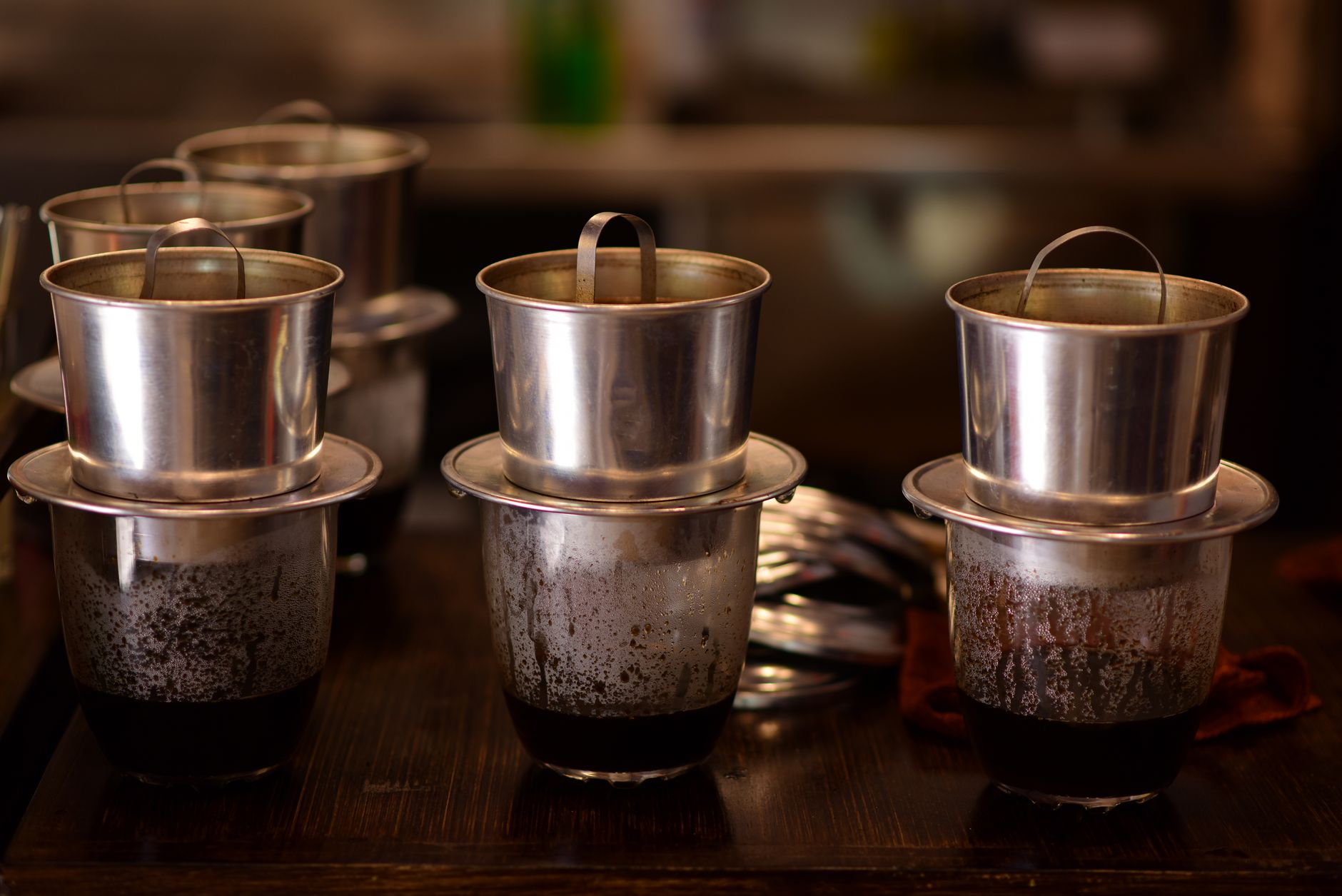
Egg coffee (cà phê trứng) isn't just coffee with an egg on top—the technique creates a velvety, sweetened foam layer using raw egg yolk, condensed milk, and vigorous whisking. The result tastes like tiramisu meets strong coffee: sweet, rich, and luxurious. This drink was invented in the 1950s when fresh milk was scarce in Hanoi, so street vendors whipped egg yolk with sweetened condensed milk to replicate a cream-based coffee. The foam sits on top of dark, bitter robusta coffee brewed through a phin—a metal drip filter that lets hot water slowly extract the grounds over 3–5 minutes. The contrast between the hot, intense coffee and the cool, creamy topping is what makes it iconic. Learning to whisk properly is the core skill: too little motion and the foam won't emulsify; too much and it splits into scrambled egg. At our class, we show you the exact wrist angle, speed, and timing that separates a silky topping from a grainy one. This technique cannot be replicated in a blender or electric mixer—it requires the human touch and muscle memory.
How to Plan a Class Around Your July Hanoi Itinerary
July itineraries often revolve around avoiding midday heat, visiting water-based attractions, and eating ice cream. Slot your egg coffee class as a morning anchor (7–9 a.m.) before the sun intensifies, or as an evening unwind (5–7 p.m.) after exploring cooler sites like museums or indoor markets. If you're staying in the Old Quarter—the central, busy zone—we can arrange pickup from your accommodation, saving you a 10–15 minute walk in the heat. Many travelers pair the class with a visit to the type of specialty coffee shop that lines the narrow streets, turning a morning into a full coffee-focused experience. After the class, you'll have a written guide and muscle memory to recreate the drink at home, so you won't need to hunt for egg coffee shops on future mornings (though many do). July is also the month when Hanoi's coffee culture shifts indoors: air-conditioned cafés become social hubs, and outdoor mobile carts close during peak heat. Our class fits this rhythm naturally—you're learning the drink in the actual environment where it thrives. We confirm details when you book, including how the class sequences with your other activities. Check your accommodation's location relative to central Hanoi to avoid 30+ minute commutes in the heat.
Ingredient Safety, Raw Egg, and Dietary Adapations
The main concern for egg coffee beginners is raw egg—and it's legitimate to ask. Here's what we tell every student: the egg yolk is whisked with condensed milk and optionally a touch of vanilla, creating a rich emulsion, not a scrambled base. We source eggs from suppliers practicing good hygiene practices, and we visibly inspect each one. If you're concerned about raw egg, we can demonstrate the technique with pasteurized egg yolk (ask us when you book—this affects timing slightly). We also explain that the coffee itself, being hot and freshly brewed, may add some marginal heat to the mixture, though it's not a full pasteurization. For travelers avoiding dairy: condensed milk is non-negotiable in the traditional recipe, but we can show you how to make a dairy-free "topping" with cashew cream or coconut milk, though the authentic texture changes. Some students ask about vegan options—the egg-free version uses aquafaba (chickpea liquid) whisked with sweetener and coconut milk, creating a stable foam that sits atop the coffee. It's not identical to the original, but it's delicious and honors the technique. We confirm details when you book so we prepare the right ingredients for your group.
Hot vs. Iced Egg Coffee: Which Should You Learn First?
| Coffee Style | Best Season | Brewing Time | Topping Stability | Taste Profile | Why Learn It |
|---|---|---|---|---|---|
| Hot Egg Coffee | October–April | 3–4 min | 10 min hold | Rich, warming, traditional | Foundation skill; thicker foam |
| Iced Egg Coffee | May–September | 3–4 min + chill | 15 min hold | Chilled, indulgent, refreshing | Practical for July heat; summer drink |
| 50/50 Hybrid | Any | Adjust to taste | 12 min blend | Balanced, flexible | Teaches ratio thinking |
In July, we recommend starting with iced egg coffee because you'll actually want to drink it after the class—it's the version locals order in summer. The technique is identical to hot, but you'll brew the coffee first, let it cool slightly, then pour it over ice, then add the whisked topping. The foam layer remains stable for 15+ minutes when poured over ice, so there's less rush to drink it compared to hot (which degrades after 8–10 minutes). That extra time lets you photograph it, chat, and savor it slowly. If you're staying in Hanoi beyond July or returning in winter, learning the hot version teaches you the purist foundation—hotter coffee means you must work faster, so technique becomes sharper. Many students ask which one is "better"; the answer is both are equal in skill demand, different in application. During your class, we can teach both methods if time allows, or focus on iced if that matches your season. We confirm details when you book.

Can You Recreate It at Home? Essential Gear and Common Mistakes
Yes, egg coffee is entirely recreatable outside Vietnam—the phin filter and ingredients are globally available. Here's the honest checklist of what you need and what usually goes wrong:
Essential Gear
- Stainless steel phin filter (12–15 cm tall; standard size ~our current quote–our current quote)
- Coffee mug or small cup (8 oz, holds grounds + hot water)
- Spoon for whisking (teaspoon or small dessert spoon; must have a curved bottom)
- Scale (optional but helpful to measure 1–2 tablespoons ground coffee per cup)
- Grinder (robusta coffee must be ground coarse, not espresso-fine)
Common Mistakes at Home
- Using the wrong coffee bean. Robusta (not arabica) is non-negotiable for Hanoi egg coffee. It's cheaper, more bitter, and has higher caffeine—it cuts through the sweetness. Arabica is too mild.
- Grinding too fine. A fine grind clogs the phin and over-extracts the coffee into a sludgy mess. Aim for coarse (like sea salt texture).
- Whisking technique failure. Using a fork instead of a spoon, or whisking too gently. The spoon's curve is crucial—it creates the micro-aeration that builds foam.
- Not letting the coffee brew long enough. Phin brewing takes 3–5 minutes; rushing it yields weak coffee that the egg topping overpowers.
- Adding the topping too early. If the coffee is still above 160°F, it may scramble the egg yolk slightly. Wait 20–30 seconds after brewing stops.
At our class, we send you home with a visual handout showing phin assembly, spoon angle, and whisking rhythm so you can practice the motion at home before attempting the full drink. Most students succeed on the second or third try after leaving Vietnam; the first attempt tests patience. We recommend buying a phin from a Vietnamese grocery supplier or online—they cost less than a specialty café drink and last years. Store extra robusta beans in an airtight container; they stay fresh 2–3 months if kept cool and dry.
How Our Class Fits into Broader Hanoi Experiences
Egg coffee isn't just a drink—it's a window into Hanoi's resourcefulness, 1950s history, and coffee culture. If you're taking a private and group class approach to your trip, the egg coffee class works as a solo learner, couple outing, or small group bonding session. We teach hands-on—everyone gets their own phin, eggs, and mug; it's not a lecture. This contrasts with many Hanoi tours that move you through spaces; here, you're making something from scratch. If you want to deepen your coffee knowledge further, our Vietnamese coffee class covers phin brewing styles, regional robusta vs. arabica, and iced coffee ratios—a natural follow-up for enthusiasts. For a more immersive itinerary, combine the egg coffee class with visits to local coffee shops in the type of charming alleyways where Hanoi's café culture thrives, then end with a street-food dinner. July's humidity and foot traffic make early-morning classes ideal—fewer crowds, cooler temperatures, and the bonus of watching the city wake up. We also coordinate with broader Hanoi experiences so your class doesn't overlap with other bookings. We confirm details when you book.
What to Check Before You Book
- Your dietary needs. Confirm raw egg or dairy concerns on WhatsApp before booking so we prepare alternatives.
- July schedule. Heat peaks midday; early morning (before 10 a.m.) or evening (after 5 p.m.) classes are most comfortable.
- Accommodation location. Tell us where you're staying so we calculate pickup time and ensure you're not rushing.
- Group size preference. We teach solo travelers and groups—each has a different vibe. Clarify your preference.
- Language. We teach in English. Confirm this matches your comfort level.
Pages from our team you may need

FAQ
Is raw egg in Vietnamese egg coffee safe?
We use fresh eggs from reputable suppliers and can demonstrate pasteurization options. The eggs are whisked with condensed milk, creating an emulsion, not a raw base. We confirm dietary concerns when you book so we prepare the right version for you.
Can I learn egg coffee if I don't drink coffee?
Yes. The technique teaches whisking, emulsification, and flavor layering—skills useful beyond coffee. We can brew decaf or caffeine-free alternatives. The cultural history is the same regardless of the coffee strength.
How long does the class take?
We confirm details when you book, but most sessions allow time for history, hands-on brewing, whisking practice, and tasting. Plan 90 minutes of your schedule as a baseline.
What if I want to book a private class just for my partner or small group?
We offer private and group class options. Book on WhatsApp and we'll customize dates, times, and group size.
Do I need to buy a phin filter to take the class?
No. We provide all equipment during the class. If you want to buy one to take home, we can recommend trusted suppliers or show you where to find one after the session.
Can I book this class in advance or do I need to arrange it in Hanoi?
You can book on WhatsApp now from anywhere, and we'll confirm July dates once you message us. Most travelers book 1–2 weeks before arrival to secure morning slots during peak season. --- Request a class
Book a class
Send your dates, how many people and anything we should know. We reply on WhatsApp in English with availability and a quote.
FAQ
Is raw egg in Vietnamese egg coffee safe?
We use fresh eggs from reputable suppliers and can demonstrate pasteurization options. The eggs are whisked with condensed milk, creating an emulsion, not a raw base. We confirm dietary concerns when you book so we prepare the right version for you.
Can I learn egg coffee if I don't drink coffee?
Yes. The technique teaches whisking, emulsification, and flavor layering—skills useful beyond coffee. We can brew decaf or caffeine-free alternatives. The cultural history is the same regardless of the coffee strength.
How long does the class take?
We confirm details when you book, but most sessions allow time for history, hands-on brewing, whisking practice, and tasting. Plan 90 minutes of your schedule as a baseline.
What if I want to book a private class just for my partner or small group?
We offer [private and group class](https://caoexperiences.com/private-and-group-class) options. Book on WhatsApp and we'll customize dates, times, and group size.
Do I need to buy a phin filter to take the class?
No. We provide all equipment during the class. If you want to buy one to take home, we can recommend trusted suppliers or show you where to find one after the session.
Can I book this class in advance or do I need to arrange it in Hanoi?
You can book on WhatsApp now from anywhere, and we'll confirm July dates once you message us. Most travelers book 1–2 weeks before arrival to secure morning slots during peak season. --- [✨ Request a class](/contact)
More like this

Egg coffee class in Hanoi
Egg Coffee Workshop in Hanoi: Choose Your Class Style
An egg coffee workshop teaches you to whisk and layer Vietnamese egg coffee (cà phê trứng) using a traditional phin filter, plus how to brew iced and hot styles. Workshops run in Hanoi only; we confirm dates and group sizes when you book on WhatsApp.

Egg coffee class in Hanoi
Best Egg Coffee Workshop in Hanoi: Our Class vs. DIY
Egg coffee (cà phê trứng) is Hanoi's signature drink, but technique matters. We run the only dedicated hands-on class at 11 Lien Tri, Hoan Kiem—here's how we compare to learning alone, and what to check before booking.

Egg coffee class in Hanoi
Egg Coffee Workshop Hanoi: Choose the Right Class for You
An egg coffee workshop in Hanoi teaches you to whisk and brew cà phê trứng—the creamy, sweet coffee that defined Old Quarter mornings for decades. We run classes at 11 Lien Tri, Hoan Kiem, where you'll master the phin filter and take home the technique.